
Dhirubhai Ambani’s Story: The Journey of India’s Business Icon
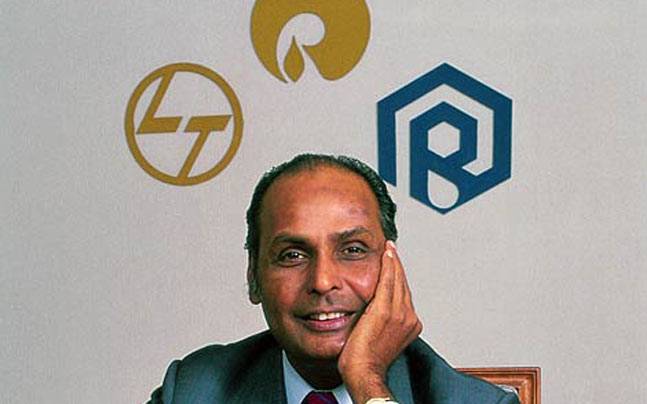
Dhirubhai Ambani was a name that revolutionized the business landscape of India. His story is one of rags to riches, a tale of ambition, innovation, and sheer determination. Born on December 28, 1932, in the small village of Chorwad in Gujarat, India, Dhirubhai Ambani’s story of how he became one of the world’s most influential businessmen is both fascinating and inspiring.
Early Life and Struggles
Dhirubhai Ambani’s story inspires many entrepreneurs across the globe. He, born Dhirajlal Hirachand Ambani, came from a modest background. His father, Hirachand Gordhanbhai Ambani, was a school teacher with a meager income. Despite the financial constraints, Ambani was a bright and ambitious child. He showed early signs of entrepreneurial spirit by selling bhajias (fried snacks) to pilgrims during festivals.
Ambani’s education was limited; he completed his matriculation at the age of 16. Due to financial difficulties, he could not pursue higher education and moved to Aden (now Yemen) to join his brother Ramniklal, who was already working there. Ambani took a clerical job at A. Besse & Co., the largest transcontinental trading firm east of Suez, where he learned about commodities trading, currency trading, and the logistics of the shipping industry.
The Birth of Reliance
In 1958, after returning to India, Ambani started his first business, Majin, with a cousin. They imported polyester yarn and spices from Yemen. However, Ambani had bigger dreams. In 1966, with a capital of just Rs. 15,000 (around $200), he founded Reliance Commercial Corporation. Initially, it was a small trading firm, but Ambani’s vision was grand.
He ventured into the textile business, launching his own brand, “Vimal,” named after his elder brother’s son. Vimal became synonymous with quality, and Ambani’s innovative marketing strategies, which included extensive advertising and a strong retail network, ensured its success. He revolutionized the textile market in India by introducing synthetic fabrics, which were more affordable and durable than traditional ones.
Building an Empire
The 1970s and 1980s were transformative years for Reliance. Ambani’s ambition knew no bounds, and he diversified into various sectors. He realized the importance of backward integration and started building manufacturing facilities to produce polyester fiber and petrochemicals. This move not only reduced his dependency on suppliers but also lowered production costs, giving Reliance a competitive edge.
In 1977, Reliance Industries Limited (RIL) went public, issuing its first initial public offering (IPO). This was a landmark event in the Indian stock market history, as it was one of the first companies to attract a large number of retail investors. Ambani’s ability to communicate his vision and inspire confidence in investors played a crucial role in the success of the IPO.
Ambani’s approach to business was unconventional and often criticized. He believed in taking calculated risks and leveraging every opportunity to grow. His philosophy was simple: dream big, work hard, and persevere. This approach led to rapid expansion, with Reliance entering sectors like petrochemicals, telecommunications, energy, power, infrastructure services, retail, capital markets, and logistics.
Innovations and Controversies
Dhirubhai Ambani was known for his innovative and often aggressive business strategies. He was a pioneer in using convertible debentures to raise capital, which allowed investors to convert their holdings into shares at a later date. This strategy provided the necessary funds for expansion without immediately diluting ownership.
Dhirubhai Ambani’s story about his life journey was not without controversies. His aggressive tactics and relentless pursuit of growth often put him at odds with competitors, regulators, and even the government. He was accused of manipulating the stock market, evading taxes, and lobbying for favorable policies. Despite these challenges, Ambani’s vision and tenacity ensured that Reliance continued to grow.
Legacy and Impact
Dhirubhai Ambani’s story tells of his impact on the Indian economy, which is immeasurable. He transformed Reliance from a small trading firm into a global conglomerate, with interests spanning various sectors. His business practices and marketing strategies have influenced generations of entrepreneurs.
One of his most significant contributions was democratizing the capital market. By attracting millions of small investors, Ambani created wealth for countless families and instilled a culture of equity investment in India. He believed in sharing prosperity and empowering ordinary people to participate in the country’s economic growth.
Ambani’s vision extended beyond business. He was passionate about education and healthcare, and through the Dhirubhai Ambani Foundation, he supported numerous social initiatives. His legacy is carried forward by his sons, Mukesh and Anil Ambani, who took over the reins of Reliance after his demise on July 6, 2002.
Mukesh and Anil: The Ambani Dynasty
After Dhirubhai Ambani’s death, his sons, Mukesh and Anil, inherited his empire. However, differences between the brothers led to a split in 2005, with Mukesh taking control of Reliance Industries Limited (RIL) and Anil heading Reliance Anil Dhirubhai Ambani Group (ADAG).
Mukesh Ambani focused on expanding RIL, particularly in petrochemicals, refining, and oil exploration. Under his leadership, RIL diversified into telecommunications with the launch of Reliance Jio, which revolutionized the Indian telecom industry by offering affordable data plans and free voice calls. Jio’s success cemented Mukesh’s position as one of the richest individuals globally.
Anil Ambani’s ADAG ventured into areas like telecommunications, financial services, entertainment, and infrastructure. However, his journey was fraught with challenges, including financial troubles and declining business fortunes. Despite these setbacks, Anil played a crucial role in continuing his father’s legacy in different sectors.
Dhirubhai Ambani’s Business Philosophy
Dhirubhai Ambani’s approach to business was characterized by several core principles:
- Visionary Thinking. Ambani always thought big. He believed in setting ambitious goals and working tirelessly to achieve them.
- Risk-Taking. He was not afraid to take calculated risks. His ventures into new sectors and innovative financing methods exemplify his risk-taking ability.
- Innovation. Ambani constantly sought new ways to do business. Whether it was through marketing strategies, financial instruments, or manufacturing processes, innovation was at the heart of Reliance’s growth.
- Customer Focus. He understood the importance of customer satisfaction. His focus on quality and affordability made Reliance a trusted brand.
- Empowerment. Ambani believed in empowering people, be it through employment opportunities, wealth creation via the stock market, or social initiatives.
Dhirubhai Ambani’s Social Contributions
Beyond business, Dhirubhai Ambani was committed to social causes. The Dhirubhai Ambani Foundation has been instrumental in promoting education, healthcare, and rural development.
Education
Ambani believed that education was key to India’s progress. He supported numerous educational initiatives, including the establishment of the Dhirubhai Ambani International School in Mumbai. The school, known for its high standards, aims to provide quality education and nurture future leaders.
Healthcare
In healthcare, the Ambani family has supported various initiatives to improve medical facilities and accessibility. The Kokilaben Dhirubhai Ambani Hospital in Mumbai, named after his wife, is one of the most advanced healthcare facilities in India, offering state-of-the-art medical services.
Rural Development
Ambani’s commitment to rural development is evident in various projects aimed at improving infrastructure, providing employment, and enhancing the quality of life in rural areas. These initiatives reflect his belief in inclusive growth and his vision of a prosperous India.
Personal Traits and Leadership Style
Dhirubhai Ambani’s leadership style was unique and effective. He was known for his charismatic personality, persuasive communication, and ability to inspire others.
- Charisma. Ambani had a magnetic personality that drew people towards him. He could easily win over stakeholders, be it investors, employees, or government officials.
- Communication. His ability to communicate his vision clearly and convincingly was one of his greatest strengths. He knew how to tell a compelling story that resonated with people.
- Inspirational. Ambani was an inspirational leader who led by example. His work ethic, determination, and optimism motivated others to push their limits and strive for excellence.
The Global Impact
Dhirubhai Ambani’s influence extended beyond India. Reliance’s global presence in petrochemicals, refining, and oil exploration has made it a significant player in the international market. Ambani’s business strategies have been studied and admired worldwide, making him a global business icon.
His approach to integrating manufacturing and backward integration has been particularly influential. By controlling the supply chain, Ambani ensured quality, reduced costs, and maintained a competitive edge. This strategy has been adopted by various global companies, underscoring Ambani’s impact on international business practices.
Lessons from Dhirubhai Ambani’s Life
Dhirubhai Ambani’s life offers several valuable lessons:
- Dream Big. Ambani’s success story underscores the importance of having big dreams and the courage to pursue them.
- Perseverance. His journey from a small village to building a global conglomerate highlights the power of perseverance and hard work.
- Innovation. Constant innovation and the willingness to take risks are crucial for business success.
- Empowerment. Empowering others and sharing prosperity can lead to collective growth and development.
- Adaptability. The ability to adapt to changing environments and overcome challenges is key to long-term success.
Reflecting on Dhirubhai Ambani’s Leadership
Dhirubhai Ambani’s leadership was defined by his visionary outlook and unique management style. He was a hands-on leader who believed in being deeply involved in the business. His approach to leadership included several key elements:
- Empowering Employees. Ambani trusted his employees and gave them the autonomy to make decisions. He believed in nurturing talent and encouraged his team to think innovatively and take ownership of their projects.
- Mentorship. He was known for mentoring young professionals and creating a nurturing environment for them to grow. Many of the top executives at Reliance were personally groomed by Ambani.
- Inclusivity. Ambani’s leadership was inclusive. He valued the input of people from diverse backgrounds and believed that a wide range of perspectives could drive better business decisions.
- Community Building. Ambani was not just focused on the success of his business but also on building a community. He fostered a family-like atmosphere at Reliance, which helped in building a loyal and dedicated workforce.
The Influence of Family
Family played a significant role in Dhirubhai Ambani’s life and business. He valued family bonds and ensured that his business practices reflected his family-oriented values. His wife, Kokilaben, was his pillar of support, and his sons Mukesh and Anil were groomed to take over the business from an early age.
Kokilaben’s support was crucial during the formative years of Reliance. She managed the household and provided emotional support, allowing Ambani to focus on building his empire. Her role was pivotal in maintaining family harmony and ensuring that the values of unity and togetherness were upheld.
Dhirubhai Ambani’s Philosophy on Wealth Creation
Ambani’s approach to wealth creation was revolutionary for his time. He believed in creating wealth for all stakeholders, not just for himself. This philosophy was reflected in several ways:
- Wealth for Shareholders. By democratizing stock ownership through Reliance’s IPOs, he enabled thousands of small investors to become shareholders and benefit from the company’s growth.
- Employee Welfare. Ambani introduced several employee welfare schemes, including profit-sharing plans and incentives, which helped in wealth creation for his employees.
- Community Development. Through various corporate social responsibility (CSR) initiatives, Ambani aimed to improve the quality of life in the communities where Reliance operated. This included investments in education, healthcare, and infrastructure.
The Challenges Faced
Dhirubhai Ambani’s story tells of a journey that was fraught with challenges. He faced intense competition, regulatory hurdles, and even political opposition. Some of the notable challenges include:
- Regulatory Hurdles. During the pre-liberalization era, the Indian economy was heavily regulated. Ambani had to navigate a complex web of regulations and licenses to grow his business. His ability to maneuver through these challenges was remarkable.
- Market Competition. Ambani faced fierce competition from established players in the textile and petrochemical industries. His innovative strategies and relentless pursuit of efficiency helped him overcome these challenges.
- Controversies. Ambani was often embroiled in controversies related to his aggressive business tactics. Allegations of stock market manipulation and lobbying for favorable policies were common. Despite these controversies, he maintained a strong focus on his business goals.
Impact on Indian Industry as told in Dhirubhai Ambani’s Story
Dhirubhai Ambani’s impact on the Indian industry was profound. He not only transformed the textile and petrochemical sectors but also set new benchmarks for business practices in India. His contributions include:
- Industrial Growth. Ambani’s ventures spurred growth in the Indian manufacturing sector. By establishing large-scale manufacturing units, he contributed to industrial development and job creation.
- Capital Market Development. His innovative approach to financing, particularly the use of convertible debentures and public offerings, played a significant role in developing the Indian capital market.
- Technological Advancements. Reliance’s focus on backward integration and self-reliance led to technological advancements in the industries it operated in. Ambani’s emphasis on cutting-edge technology and efficiency set new standards for the Indian industry.
The Bottom Line
Dhirubhai Ambani’s story is a testament to what can be achieved with vision, determination, and innovation. From humble beginnings to becoming a global business icon, his journey is an inspiration to millions. His legacy continues through the ongoing success of Reliance Industries and the impact of his social initiatives. Ambani’s life and work have left an indelible mark on India and the world, making him a true legend in the world of business.
